
Hidden Albania 2026: Mountains, Villages & Sea
Hidden Albania is the kind of journey that changes character every few hours. One moment you are looking across a jagged limestone ridge in the Albanian Alps; the next, you are drinking thick Turkish-style coffee in an Ottoman courtyard, swimming in translucent Ionian water or sharing a plate of byrek with a family in a mountain village. In 2026, Albania remains one of Europe’s most rewarding destinations for travelers who want variety without spending weeks on the road.
I have traveled this route in different seasons, and my strongest recommendation is to avoid treating Albania as only a beach destination. The coast is beautiful, but the country’s real personality appears when you combine mountains, villages, historic towns and seaside communities. That is exactly the idea behind the 10-day Hidden Albania: A Journey Through Mountains, Villages & Seaside Towns tour, a carefully shaped itinerary from Tirana to Theth, Berat, Gjirokastra and the Albanian Riviera.
This guide covers the practical details you need for planning: the best route, realistic prices, transport, hiking conditions, food, accommodation, cultural etiquette and ways to extend the trip into Kosovo, North Macedonia or Montenegro.
Why travel to Albania in 2026?
Albania offers an unusually rich travel experience in a compact country. You can leave Tirana after breakfast, pass through deep mountain valleys by lunchtime and reach the sea before sunset on another day. The landscape changes quickly, but the welcome is remarkably consistent: expect animated conversation, generous portions and frequent invitations to try something homemade.
The country is also becoming easier to explore. Main roads connecting Tirana, Shkoder, Vlora, Saranda and Gjirokastra have improved, mobile coverage is expanding, and more guesthouses now accept card payments. At the same time, remote areas such as Theth, Valbona and the upper Himara hills retain a strong village atmosphere.
- Best for nature: Theth National Park, the Albanian Alps, Llogara Pass and the Blue Eye.
- Best for history: Berat, Gjirokastra, Kruja, Apollonia and Butrint.
- Best for food: mountain guesthouses, southern agriturismo restaurants and coastal seafood taverns.
- Best for beaches: Himara, Dhermi, Borsh, Qeparo and the bays south of Saranda.
- Best for slow travel: village stays, scenic drives and small-group guided journeys.
The ideal 10-day Hidden Albania itinerary
The route below follows the rhythm I find most comfortable: energetic mountain days at the beginning, cultural immersion in the middle and relaxing seaside time toward the end. Driving times can vary considerably because winding roads, photo stops and summer traffic are part of the Albanian experience.
Days 1–2: Tirana and Kruja
Start in Tirana, Albania’s colorful and energetic capital. Spend your first day walking around Skanderbeg Square, the Et’hem Bey Mosque, Bunk’Art or the House of Leaves, then continue through Blloku for cafés and dinner. Tirana is easy to explore on foot, although traffic is busy and crossing roads requires confidence.
Allow a full day for Kruja, approximately one hour from Tirana depending on traffic. Its hilltop castle, bazaar and views toward the Adriatic make it a natural introduction to Albanian history. Look for handmade carpets, copperware and embroidered textiles, but compare prices and remember that bargaining should remain friendly. A typical lunch of tavë kosi, grilled meat or vegetable dishes costs around €8–€15 per person in a traditional restaurant, while a coffee is often €1–€2.50.
Days 3–4: Shkoder and Theth National Park
Shkoder is the gateway to the northern mountains and deserves more than a quick transfer stop. Visit Rozafa Castle near sunset, cycle beside the lake if weather allows, and explore the pedestrian center before continuing into the Accursed Mountains. The journey from Shkoder to Theth usually takes about two to three hours, depending on road conditions and stops.
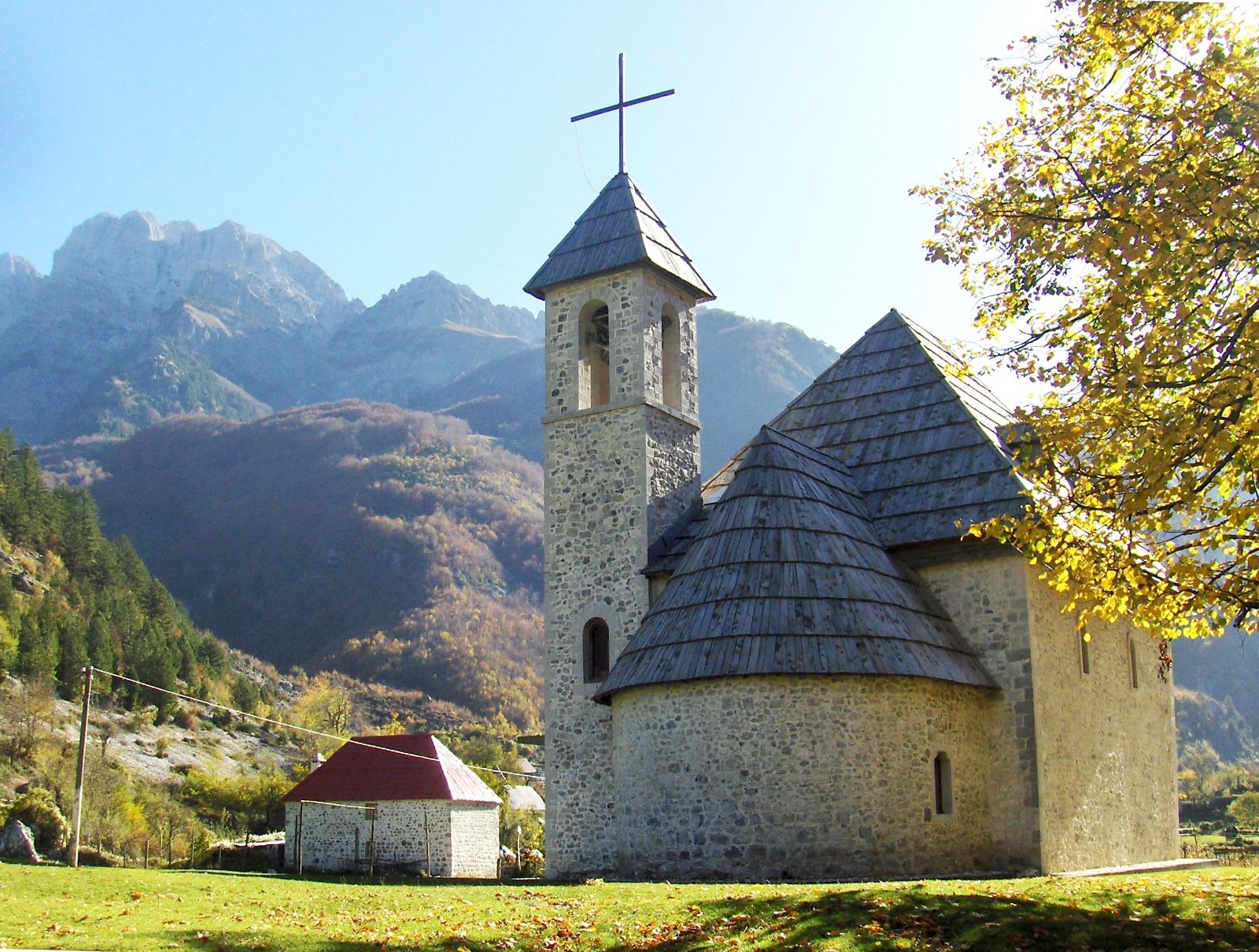
Theth is the dramatic heart of this journey. Stone houses, sharp peaks, waterfalls and traditional towers create a landscape that feels far removed from the Mediterranean coast. The most popular hike is the trail to the Blue Eye of Theth, generally a demanding full-day outing of approximately 17–20 kilometers round trip. The Grunas Waterfall walk is shorter and can often be completed in two to three hours.
In the village, basic guesthouse rooms commonly range from €30 to €60 per person with breakfast, while dinner may add €10–€20. Facilities are simple, and hot water or card payments should never be assumed. Pack cash, a refillable bottle, a headlamp and layers. Even in July, mountain evenings can feel cool.
Days 5–6: Berat, the city of a thousand windows
After the mountains, Berat provides a completely different atmosphere. The UNESCO-listed old town is divided between Mangalem, Gorica and the castle quarter, with white Ottoman houses climbing the hillsides. I prefer arriving in the afternoon, walking across the Gorica Bridge and saving the castle for early morning, when the light is softer and the lanes are quieter.
Berat is ideal for a guided introduction because its history is layered and details are easy to miss. A Walking Tour of Berat helps connect Byzantine churches, Ottoman homes, local legends and contemporary life. Travelers who prefer their own pace can use the self-guided tour of Berat and pause whenever a courtyard, viewpoint or small café catches their attention.
Plan to spend €25–€45 for a comfortable double room in Berat outside the busiest summer weekends. A meal with salads, grilled vegetables, qofte and local wine usually costs €12–€25 per person. Try petulla with honey for breakfast, byrek as a snack and a regional red wine with dinner.
Days 7–8: Gjirokastra and the southern road
Gjirokastra, another UNESCO World Heritage Site, is famous for its steep stone streets, slate roofs and imposing fortress. The climb through the bazaar can be slippery, so shoes with a firm sole are more useful than fashionable sandals. Inside the castle, the museum collections and panoramic terraces explain why this town has been strategically important for centuries.
For an independent visit, the Self-Guided Tour of Gjirokastra is a practical way to explore the bazaar, castle and historic neighborhoods without rushing. Leave time for a long lunch: southern Albanian cooking is particularly satisfying, with dishes such as qifqi rice balls, stuffed vegetables, slow-cooked meat and fresh village cheese.
From Gjirokastra, make time for the Blue Eye, a vivid karst spring surrounded by forest. Swimming rules can change and the water is extremely cold, so treat it as a natural monument rather than a guaranteed bathing spot. The spring area is busiest between late morning and mid-afternoon; arriving early makes the experience calmer.
Days 9–10: The Albanian Riviera
The road from Gjirokastra toward the coast passes through olive groves and eventually reaches the Ionian Sea. Himara works well as a base because it combines a small-town feel, beaches and access to nearby villages. Dhermi is livelier in summer, while Qeparo and Borsh offer a slower pace. The Llogara Pass provides some of the finest coastal viewpoints in the country, especially when the air is clear.
Do not plan every beach day around a famous social-media viewpoint. Some of the most memorable moments come from a quiet swim near a small village, a seafood lunch with no elaborate décor or an evening walk along Himara’s waterfront. In July and August, parking and beach access can become difficult, so start early or travel in June and September.
Beach accommodation ranges from approximately €35 for a simple room to more than €150 for a polished seaside hotel in peak season. Umbrella and lounger sets often cost €10–€25 per day, although prices vary by beach and month. Fresh fish, mussels, prawns and grilled vegetables are usually excellent; ask whether the catch is local and check the price before ordering by weight.
What makes the organized Hidden Albania tour worthwhile?
A self-drive trip can be rewarding, but Albania’s mountain roads, changing weather and irregular local transport make logistics more complicated than the map suggests. The 10-day Hidden Albania tour is designed for travelers who want the major landscapes and cultural sites without spending their holiday negotiating every transfer.
The greatest advantage is continuity. A knowledgeable guide can explain why northern mountain customs differ from southern traditions, identify the best roadside stops and adjust the day when weather affects a hike. Group travel also makes village meals and guesthouse stays more sociable. Before booking, confirm the exact departure dates, group size, inclusions, hiking level, luggage limits and whether entrance fees are included.
Best time to visit Hidden Albania
May, June, September and early October are my preferred months for this itinerary. Mountain trails are generally accessible from late spring, the coast is warm enough for swimming by June, and historic towns are much more comfortable outside the hottest part of summer.
- April–May: green valleys, wildflowers and pleasant city walks; higher trails may still have snow.
- June: excellent balance of warm sea temperatures and manageable crowds.
- July–August: best for guaranteed beach weather, but hottest, busiest and most expensive.
- September: warm sea, softer light and fewer visitors; an excellent all-round choice.
- October: atmospheric historic towns and autumn colors, though mountain rain becomes more likely.
Always check local conditions before hiking in Theth or crossing high passes. Weather can change rapidly, and a clear morning does not guarantee a clear afternoon.
Getting around and practical 2026 costs
Tirana International Airport is the main entry point. Airport transfers to central Tirana often cost around €10–€25 depending on vehicle and time, while taxis between major cities should be agreed in advance. Intercity buses are inexpensive, frequently €5–€15 for longer routes, but schedules can be less convenient in remote mountain areas.
For a comfortable mid-range trip, budget approximately €55–€100 per person per day excluding international flights and organized-tour fees. This can cover a shared room, meals, local transport and selected admissions. Backpackers can spend less by using buses and simple guesthouses, while private drivers, boutique hotels, boat trips and peak-season beach stays can push daily costs above €150.
Albanian lek is the official currency. Euros are widely accepted in tourist areas, but paying in lek usually gives a clearer price. Carry small notes for village cafés, parking, market purchases and mountain guesthouses. ATMs are common in cities but limited in remote areas. A local SIM or eSIM is useful, particularly for navigation and contacting accommodation.
Food, customs and responsible travel
Albanian food reflects Ottoman, Mediterranean and Balkan influences. Expect generous breakfasts, seasonal produce, yogurt, bread, cheese, grilled meat and excellent coffee. Vegetarian travelers will find plenty of options, but explain dietary restrictions clearly because meat stock or cheese may appear in dishes that seem vegetable-based.
Hospitality is central to the culture. Greet older residents respectfully, dress modestly when entering religious sites and ask permission before photographing people, especially in villages. At guesthouses, accepting a small serving of homemade raki or jam is a gracious gesture, although you are never required to drink alcohol.
Travel responsibly by carrying reusable water bottles, avoiding single-use plastic, staying on marked trails and taking all litter with you. In mountain villages, water resources and waste collection are limited. Choose locally owned guesthouses, buy regional products and do not remove stones, plants or archaeological fragments from natural or historic sites.
Easy extensions into the wider Balkans
Albania can be combined naturally with neighboring countries, but adding too many borders may turn a relaxed holiday into a transfer marathon. From northern Albania, travelers can continue toward Montenegro and explore the Bay of Kotor. A Kotor Bay and oyster farm private boat tour offers a memorable coastal extension for travelers who want scenery and seafood.
From Tirana or the north, Kosovo is another practical addition. Prizren’s old stone bridge, mosques, churches and fortress make it a rewarding stop, and the Walking Tour of Prizren is useful for understanding its layered history. Travelers with more time can consider the Classical Tour of Kosovo.
North Macedonia is best added through Ohrid or Skopje rather than squeezed into the core Albania itinerary. Ohrid’s lake, churches and old town are particularly complementary after Albania’s mountains and coast. The Ohrid Old Town walking tour and panoramic lake boat cruise is a convenient way to experience the city in one day.
Frequently asked questions
Is Albania safe for a 10-day trip?
Albania is generally welcoming and safe for visitors, including solo travelers. Use normal precautions in busy transport areas, avoid isolated mountain walks without telling someone your plan and drive defensively. Road conditions and local driving habits require more attention than personal security in most itineraries.
Do I need a car for Hidden Albania?
A car is helpful for remote beaches and villages, but it is not essential if you join an organized tour or combine buses with local transfers. Theth, the Riviera and mountain viewpoints are much easier with a driver who understands the roads and seasonal conditions.
How difficult are the hikes?
The itinerary can include easy walks in historic towns and demanding mountain hikes. The Blue Eye of Theth is usually a full-day challenge, while the Grunas Waterfall and castle walks are more accessible. Ask your tour operator for current distances, elevation gain and alternative activities before departure.
What should I pack?
Bring breathable summer clothing, a warm layer, rain protection, sturdy walking shoes, sun protection, swimwear, a power bank and cash in Albanian lek. For Theth, add a headlamp and a small daypack. Modest clothing is useful for religious and rural settings.
Can I visit Albania in August?
Yes, August is excellent for swimming and long daylight hours, but it is also the busiest and hottest month. Reserve accommodation and transport well ahead, begin hikes early and consider staying in Himara, Qeparo or Borsh rather than the most crowded beach centers.
Start planning your Albanian journey
Hidden Albania is not simply a checklist of beaches and monuments. It is a journey through changing landscapes and everyday encounters: a mountain breakfast, a conversation in a bazaar, a quiet church above a lake, a sunset over the Ionian Sea. For a well-paced introduction to the country in 2026, explore the full Hidden Albania: A Journey Through Mountains, Villages & Seaside Towns tour and begin planning your route with Balkan Destination.
Frequently Asked Questions
Is Albania safe for a 10-day trip?▼
Albania is generally welcoming and safe for visitors. Use normal precautions, take care on mountain roads and avoid hiking alone without sharing your plans.
Do I need a car for Hidden Albania?▼
A car helps with remote beaches and villages, but it is not essential when using an organized tour, buses and local transfers.
How difficult are the hikes?▼
The route includes easy town walks and demanding mountain hikes. The Blue Eye of Theth is usually a full-day challenge, while the Grunas Waterfall walk is shorter.
What is the best time to visit Albania?▼
May, June, September and early October offer the best balance of pleasant weather, accessible trails, warm seas and fewer crowds than July and August.