
Horse Riding Tours in the Balkans: 2026 Guide
Horse riding tours in the Balkans are one of the most rewarding ways to slow down and experience the region beyond its famous cities. From the saddle, the landscape feels more intimate: a narrow village track becomes a route through living countryside, a hillside opens into a wide panorama, and the sounds of traffic give way to birds, wind and the steady rhythm of a horse. In 2026, travellers are increasingly looking for meaningful outdoor experiences, and a guided ride is an excellent introduction to the rural Balkans.
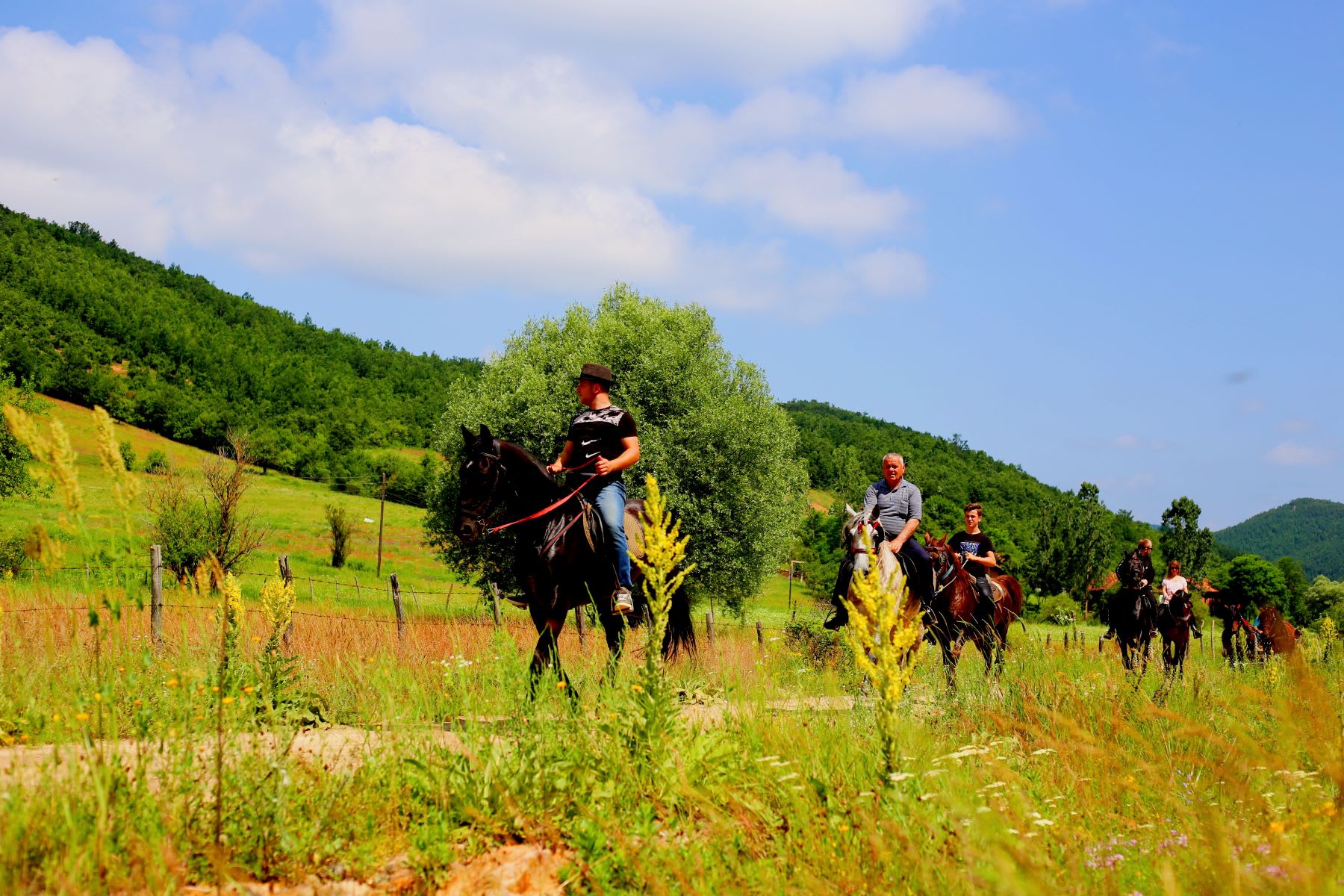
For visitors staying in or near Prishtina, the most convenient option is a Horse Riding Tour in Ballanan. Ballanan is a peaceful destination approximately 30 kilometres from Prishtina, known for rolling hills, open valleys and timeless village life. The location is close enough for a practical day experience, yet far enough from the capital to feel genuinely rural. I recommend it to first-time riders, families, couples and experienced equestrians who want an uncomplicated outdoor day with beautiful scenery.
Why choose a horse riding tour in the Balkans?
The Balkans are exceptionally well suited to horseback exploration. The region combines broad grasslands, forested slopes, limestone mountains, agricultural valleys and traditional settlements within relatively short distances. A horse can take you along tracks that are too narrow for a vehicle and too distant from the main roads to appear on a conventional sightseeing itinerary.
There is also a strong cultural dimension. In many Balkan rural areas, horses remain connected with farming, transport, local celebrations and family traditions. A ride is therefore more than a scenic activity. It offers a respectful glimpse into landscapes where village life still follows the seasons, livestock graze on open land and neighbours often know one another across the valley.
From my experience planning journeys in this region, horseback riding works especially well for travellers who have already visited the major historic centres and want to understand the countryside around them. It is active without requiring the endurance of a full-day mountain hike, and it creates a slower pace that encourages observation and conversation.
Ballanan: the best base for a horse riding tour near Prishtina
Ballanan is a practical choice for a horse riding tour near Prishtina because it combines accessibility with a distinctly pastoral setting. The journey from the capital takes you away from busy urban streets and into a landscape of gentle hills, cultivated fields and open views. The scenery is not dramatic in the same way as the highest peaks of the Accursed Mountains, but its quiet beauty is precisely the attraction.
On a typical ride, expect a relaxed route through countryside rather than a competitive or technically demanding equestrian excursion. Depending on the itinerary, the experience may include time to meet and prepare the horses, a safety briefing, riding across village paths and pauses to enjoy the views. The exact route and duration can vary with weather, ground conditions, rider experience and the group’s pace.
What makes Ballanan special?
- Easy access: Ballanan is around 30 kilometres from Prishtina, making it suitable for a day trip.
- Open scenery: Rolling hills and broad valleys provide attractive views without requiring a strenuous climb.
- Rural atmosphere: The area offers a closer look at village landscapes and traditional countryside.
- Beginner-friendly potential: Guided rides can be adapted for guests with little or no previous experience.
- Flexible planning: It can be added before or after city sightseeing, cultural tours or a longer Kosovo itinerary.
What to expect on a 2026 horse riding tour
A well-organised ride begins before you mount the horse. Your guide should introduce the horses, explain how to approach and handle them, check your equipment and discuss basic commands. Even if you have ridden before, listen carefully because each horse has a different temperament and responds slightly differently to pressure, voice and reins.
Most recreational Balkan rides are designed around enjoyment rather than speed. Beginners normally ride at a walk, while more confident participants may be able to trot when the trail and group conditions allow. Do not assume that galloping will be included. Responsible guides prioritise animal welfare, rider confidence, trail safety and the condition of the ground.
Allow extra time beyond the hours spent in the saddle. A tour may include transfers, preparation, introductions, photographs and rest stops. For planning purposes, many travellers should reserve at least half a day, although the confirmed duration depends on the chosen departure and itinerary. Ask about the meeting point, transport, riding time and what is included before booking.
Typical prices and inclusions
Prices for horse riding tours in the Balkans vary according to group size, transfers, riding duration, guide services and whether food or additional activities are included. As a realistic 2026 planning estimate, a guided introductory ride may cost approximately €35 to €70 per person, while a longer private or small-group experience with transport can range from €70 to €140 or more. These are indicative regional ranges rather than a fixed price for every departure, so confirm the current rate when booking.
Before paying, check whether the price includes transport from Prishtina, a helmet, boots or other riding equipment, insurance, refreshments and a professional guide. If the tour is priced unusually low, ask how the horses are cared for and whether safety equipment is supplied. Value matters, but responsible operation matters more.
Best time for horse riding in Kosovo
The best seasons for riding around Ballanan are generally late spring, summer and early autumn. May and June usually bring fresh green hills and comfortable temperatures, although occasional rain can make unpaved tracks muddy. July and August offer longer daylight and dependable outdoor conditions, but plan an early or late ride to avoid the strongest midday heat. September and October can be especially pleasant, with softer light and cooler air.
Winter rides may be possible on suitable days, but snow, frozen ground, wind and shorter daylight can affect departures. Always confirm conditions shortly before travelling. A professional operator may adjust or postpone a ride when the terrain is unsafe or the horses would be placed under unnecessary stress.
Seasonal packing checklist
- Wear long trousers that allow comfortable movement and protect your legs from branches or rubbing.
- Choose closed, low-heeled shoes or riding boots; avoid sandals and smooth-soled trainers.
- Bring layers, sunglasses, sunscreen and a lightweight waterproof jacket.
- Carry a small amount of water, but keep bags compact and secure.
- Use gloves if your hands are sensitive or if you expect cooler weather.
- Pack insect repellent during warm months, particularly for rural and grassy areas.
- Bring a phone for emergencies and photographs, but use it only when safely stopped.
Who can join a horse riding tour?
Horse riding tours are often suitable for complete beginners, provided the operator knows your experience level in advance. Tell the guide if you have never ridden, have concerns about heights, feel nervous around animals or have a medical condition that could affect balance and mobility. Honest information helps the team select an appropriate horse and route.
Children may be welcome, but age, height and weight limits differ between operators. Young riders should be supervised and should understand that a horse is a living animal, not a mechanical attraction. Pregnant travellers, guests with serious back problems and people with significant balance issues should consult a medical professional before booking.
Experienced riders should also set realistic expectations. A countryside tour is not automatically a training session or a long-distance trek. If you want faster riding, technical terrain or multi-day horse travel, ask specifically what the route involves rather than assuming the standard experience will meet those goals.
Horse welfare and responsible travel
Ethical tourism begins with the condition and treatment of the horses. Look for animals that appear healthy, alert and appropriately groomed, with correctly fitted tack and reasonable workloads. The horses should have access to water, rest and shade where appropriate. Guides should never encourage guests to pull harshly on the reins, shout at animals or ride beyond the agreed pace.
During the tour, follow instructions about spacing between horses, passing, mounting and dismounting. Do not feed a horse without permission, stand directly behind it or make sudden movements near its head. Keep noise low around village homes and livestock. Staying on established paths also reduces erosion and protects fields, gardens and private land.
Responsible riding supports local employment and helps maintain a connection between rural communities and visitors. Choose a tour that treats the horses as partners, respects the landscape and communicates clearly about safety. That approach produces a better experience for everyone.
How to combine horseback riding with a Balkan itinerary
A ride near Prishtina can fit neatly into a broader Kosovo journey. If you are using the capital as your base, consider adding the Walking Tour of Pristina to understand the city’s contemporary culture, cafés, public spaces and history. The contrast between an urban walking tour and a quiet day in Ballanan makes the destination feel more complete.
Prizren is another excellent pairing. Its Ottoman-era streets, mosques, churches, fortress views and lively riverfront provide a strong cultural counterpoint to rural horseback riding. The Walking Tour of Prizren is a useful way to explore the old city with context rather than simply passing through it.
For a longer Kosovo programme, the Classical Tour of Kosovo can help connect historic towns, landscapes and important cultural sites. Travellers who want to continue south may also consider the Skopje to Pristina Day Tour or its reverse route, depending on their regional itinerary.
Food is another rewarding addition. After an outdoor activity, a meal featuring local produce and traditional flavours is particularly satisfying. Travellers exploring central Albania can include Sofra e Shpatit in their plans, while visitors wanting a broader route through mountain villages and seaside towns may enjoy Hidden Albania: A Journey Through Mountains, Villages & Seaside Towns.
Horse riding across Albania, North Macedonia and Montenegro
Kosovo is particularly convenient for a short riding experience from Prishtina, but the wider Balkans offer many opportunities for equestrian travel. In Albania, mountain valleys and rural plateaus create memorable settings, especially for visitors who combine riding with historic towns and coastal travel. Berat and Gjirokastra are valuable cultural stops, and you can explore them through the Walking Tour of Berat or the Self-Guided Tour of Gjirokastra.
North Macedonia offers a mixture of mountain countryside, lake landscapes and historic settlements. If your route includes the southwest, an Ohrid Old Town Walking Tour and Panoramic Lake Boat Cruise provides a scenic cultural day, while the region around Skopje works well for travellers combining city sightseeing with outdoor excursions.
Montenegro is famous for rugged mountains, deep valleys and the Adriatic coast. Horseback riding there may involve more varied and demanding terrain, so ask about elevation, trail surfaces and riding experience requirements. A coastal itinerary can also include a Kotor Bay and Oyster Farm Private Boat Tour, creating a pleasant contrast between inland adventure and maritime scenery.
Practical booking advice for 2026
Book ahead if you are travelling in July, August or during a holiday weekend. Small-group tours have limited horse availability, and private departures may require advance coordination. When making an enquiry, provide your date, number of riders, approximate heights and weights, previous experience, preferred departure time and whether you need transport from Prishtina.
Ask these questions before confirming:
- How long is the entire experience and how much time is spent riding?
- Is the route suitable for beginners?
- What happens if it rains or the ground becomes unsafe?
- Are helmets and suitable equipment included?
- Are transfers, refreshments or photographs included in the price?
- What is the maximum group size?
- How are the horses rested and cared for?
Save the operator’s contact details and meeting instructions offline. Rural mobile coverage can be inconsistent, and navigation apps do not always display private access roads accurately. Wear the correct clothing from the moment you leave your accommodation, because changing facilities may be limited.
Where to stay before or after the ride
Staying in Prishtina makes the Ballanan excursion straightforward, especially if you want restaurants, cafés and transport connections nearby. Travellers looking for a comfortable base can compare options such as Hotel Prive or EMERY HOTEL. These links are useful starting points when arranging accommodation around a city break and outdoor activities.
If your itinerary continues into the mountains, consider allowing more time rather than rushing from one attraction to the next. The Balkans reward flexible planning: a quiet village lunch, an unexpected viewpoint or a conversation with a local resident can become the most memorable part of the trip.
Frequently asked questions
Is horse riding in Ballanan suitable for beginners?
Yes, the experience is intended to be accessible to beginners when booked with an appropriate guide. Tell the operator about your experience level so the route, horse and pace can be selected safely. Most first-time riders should expect a relaxed walking pace rather than fast or technical riding.
How much does a horse riding tour near Prishtina cost in 2026?
Indicative prices range from approximately €35 to €70 per person for a shorter guided ride and from €70 to €140 or more for longer private experiences with transfers or extra services. Confirm the current price, inclusions and cancellation policy before booking.
What should I wear for a Balkan horse riding tour?
Wear long trousers, closed shoes with a low heel, and comfortable layers. Bring sunscreen, water, a light rain jacket and gloves if needed. Avoid sandals, loose scarves and large bags that could catch on branches or equipment.
What is the best month for horseback riding in Kosovo?
Late spring and early autumn are often the most comfortable periods, while summer offers longer daylight and generally reliable weather. July and August can be hot in the middle of the day, so morning or late-afternoon departures are preferable. Weather and trail conditions should always be checked locally.
Can I combine horse riding with sightseeing in Kosovo?
Absolutely. A Ballanan ride works well alongside a Prishtina city visit, a cultural day in Prizren or a longer classical Kosovo itinerary. Leave enough time between activities for transfers, preparation and rest rather than scheduling them too tightly.
Final recommendation
A horse riding tour in Ballanan is an easy, authentic and enjoyable way to discover the countryside near Prishtina. It offers fresh air, gentle adventure and a perspective on Kosovo that cannot be gained from a city street or vehicle window. With sensible preparation, realistic expectations and respect for the horses and local communities, it can become one of the highlights of a 2026 Balkan journey.
Ready to experience the rolling hills and village landscapes for yourself? Book your Horse Riding Tour in Ballanan with Balkan Destination and start planning an unforgettable day in the Balkans.
Frequently Asked Questions
Is horse riding in Ballanan suitable for beginners?▼
Yes. The guided experience can be suitable for beginners when the operator knows your experience level in advance. Most first-time riders should expect a relaxed walking pace.
How much does a horse riding tour near Prishtina cost in 2026?▼
Indicative regional prices range from approximately €35 to €70 per person for a shorter ride and €70 to €140 or more for longer private experiences with transfers or additional services.
What should I wear for a Balkan horse riding tour?▼
Wear long trousers, closed shoes with a low heel and comfortable layers. Bring sunscreen, water, a light rain jacket and gloves if needed.
What is the best season for horseback riding in Kosovo?▼
Late spring and early autumn are often the most comfortable seasons. Summer offers longer daylight, but morning or late-afternoon departures are best during hot weather.